The Best Time to Visit Botswana

Botswana is one of Africa's most impressive safari destinations, boasting some truly spectacular wildlife viewing. Learn when the best time to visit is to spot big game, and read our tips on the best time to plan your adventure.

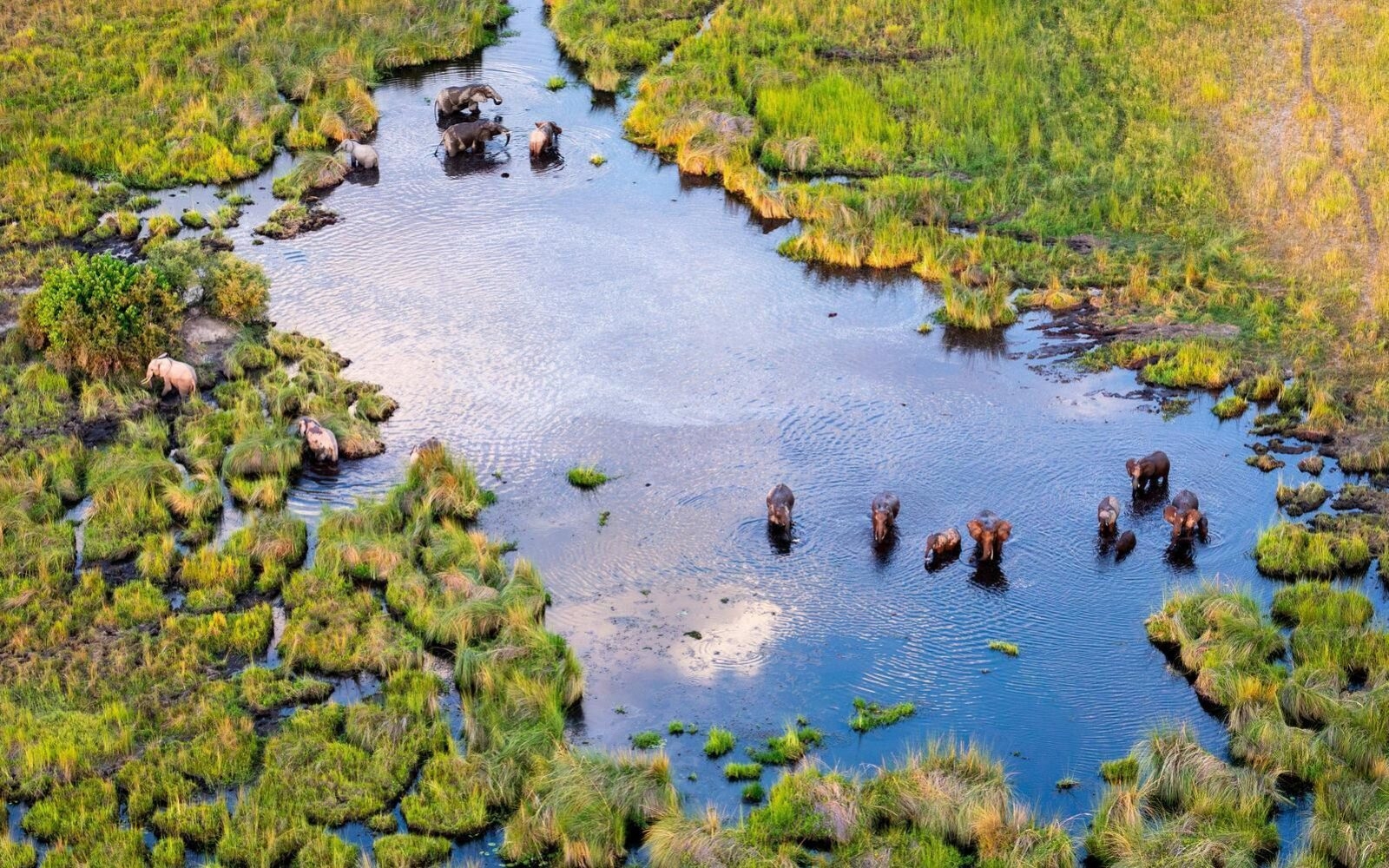
Botswana offers year-round natural wonders and wildlife viewing. That said, the best time for an African safari in Botswana is from May to October, during the dry season. This is when the Okavango Delta floods and animals become more visible in Linyanti, Moremi Game Reserve and Chobe National Park.
Each month of the dry season has its own characteristics, and the rainy season also offers some unique perks. To help you understand all the seasonal differences and benefits of travelling at certain times of year, we’ve put together a detailed climate guide to Botswana.
What is the best season to visit Botswana?
The best season to visit Botswana is generally the dry season (May–October), especially if you want to see lots of animals on a Botswana safari. During these months the skies are clear, temperatures are relatively low and thinner vegetation makes it easier to spot wildlife. It’s also the best time for water-based safaris in the Okavango Delta.
If you’re primarily interested in visiting the Central Kalahari Game Reserve, the best time to go is during the rainy season (November–April). These months also bring ideal conditions for birdwatching and photography, thanks to lush landscapes and stormy skies. Keep in mind that it can get very hot during this season, with temperatures sometimes exceeding 35°C (95°F).
Botswana month-by-month climate guide
The weather in Botswana varies significantly throughout the year, from the clear days and chilly nights of June and July (winter in the southern hemisphere) to the high humidity and summer storms of January and February. Here are some expert insights from our travel designers on what to expect in each month and tips for the best things to do.
January in Botswana
January is one of the hottest and rainiest months in Botswana, with high temperatures often exceeding 30ºC (86ºF) and average rainfall close to 100 millimetres (4 inches). This is among the best times to see blooming wildflowers in the Central Kalahari Game Reserve. It’s also the breeding season for many migratory birds, making it a top month for birdwatching.
February in Botswana
February in Botswana has similar weather to January: lots of rain and heat. You can expect high humidity and frequent downpours across the country. If you don’t mind the weather, this can be a great time for wildlife viewing in the Central Kalahari, where average highs tend to be around 36ºC (97ºF). The rain doesn’t usually last all day, so you’ll still have plenty of time for safaris.

March in Botswana
The rain is starting to taper off by March, but this month is still part of the green season in Botswana. Temperatures drop slightly with average highs around 31ºC (88ºF). It’s a great time to see large herds of zebras in the Makgadikgadi Pans, as they’re preparing to migrate northwest towards the Okavango Delta for the dry season.


April in Botswana
Botswana’s temperatures in April get significantly cooler as the dry season approaches; average highs drop to the low 80sºC (high 20sºF) during the day, while mornings and evenings can be downright chilly. Rain is still possible but less likely to get in the way of your plans. April is a transitional month, so it can be a good time to travel as there are generally fewer visitors.
May in Botswana
May is the first month of Botswana’s dry season, ushering in optimal safari conditions across most of the country’s wildlife areas. Animals start to gather around increasingly scarce water sources as the landscape dries up, though the peak safari months haven’t yet arrived. Expect daytime temperatures in the mid 20sºC (mid to upper 70sºF) and nights around 10ºC (50ºF).

June in Botswana
June is the first month of the annual flood in the Okavango Delta, which occurs during the peak of the dry season. As the floodwaters arrive from Angola, the delta fills up and forms a large network of waterways that you can explore on speedboat or mokoro (dugout canoe) safaris. Average temperatures range from 5–9ºC (40sºF) at night to 22–26ºC (70sºF) during the day.


July in Botswana
July is one of the best – and most popular – months for safaris in Botswana and an ideal time to visit the Okavango Delta. Temperatures are similar to those of June and rain is practically nonexistent. You can expect warm and sunny days with highs in the 20sºC (70sºF), but make sure to bring warm layers for early-morning game drives and cosy evenings at camp.
August in Botswana
Another fantastic month for game drives, walking safaris and boat trips in Botswana, August is slightly warmer than the preceding months and still incredibly dry. This is when water levels are highest in the Okavango Delta, making it a great time to explore the famous Mombo Concession or stay at a mobile safari camp. It’s also the peak season in Linyanti, Moremi and Chobe.


September in Botswana
September is still part of the dry season in Botswana, with temperatures rising throughout the month. Average highs increase to the upper 20sºC (mid 80sºF) and can even reach 35ºC (95ºF); nights get warmer as well. This is a great month for safaris if you don’t mind the heat. It’s also the first month of the barbel run, a dramatic fish feeding frenzy in the Okavango Delta.
October in Botswana
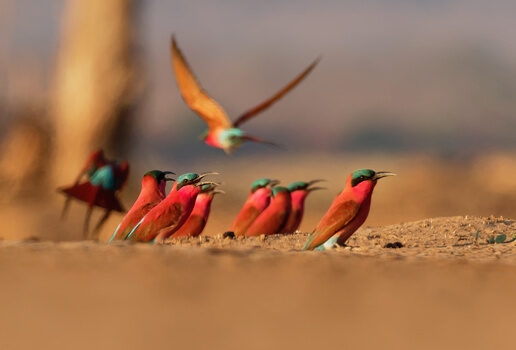
If birdwatching is among your top reasons to visit Botswana, consider travelling in October. The final month of the dry season is incredibly hot – sometimes exceeding 38ºC (100ºF) – but it’s also one of the best times to spot migratory birds, as well as big game. The extreme heat and dry weather create ideal conditions to see large herds of elephants and many other animals.
Expert insight
Botswana is full of so many fantastic places for a safari, each with its own breathtaking opportunities to spot big game and wildlife. For example, Linyanti is one of the best places to spot predators in Africa, and is home to huge herds of elephants during the dry season.

November in Botswana
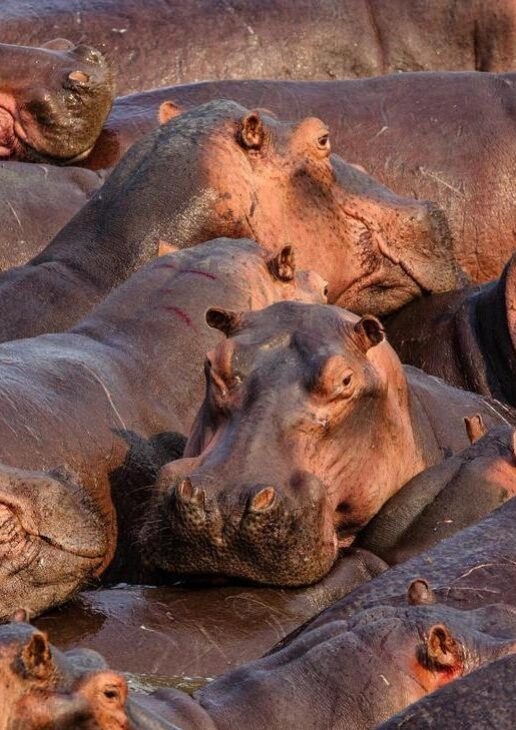
November is the first month of Botswana’s green season. It’s still quite hot and rain can be unpredictable, but as the showers begin the landscape slowly comes back to life and temperatures start to drop. This is also the beginning of calving season for several species, so you may get to see some baby animals – and the predators they attract.

December in Botswana
Botswana’s temperatures in December are similar to those of November, with average highs around the low 30sºC (86–91ºF). This is another good month to see migratory birds, young animals and big cats. As rainfall increases so does vegetation, which leads to lower visibility on safaris, but it’s still possible to spot wildlife.

When is the rainy season in Botswana?
Botswana’s rainy season lasts from November to April, and is also known as the green season or wet season. November, March and April are transitional months with less rain than December, January and February. This is the best time for birdwatching, nature photography and safaris in the Central Kalahari Game Reserve, which attracts migrating animals.
What is the best time for a safari in Botswana?
The best time for a safari in Botswana is generally May–October, when the country experiences its dry season. Dry conditions cause animals to congregate around water sources and visibility is higher due to thinner foliage. Most of the best places to visit in Botswana have ideal weather during these months, including the Okavango Delta and Chobe National Park.
Botswana travel inspiration
Get inspired with two of our safari travel guides. Designed to spark your imagination as well as providing an expert insight on how to get the safari of your dreams, you’ll find these guides full of helpful information for Botswana and beyond.


Ready to start planning?
Whatever you want from your trip to Botswana, our team of safari experts are ready to help.
