When Is the Best Time to Visit South Africa?

Choosing when to visit South Africa depends on all sorts of factors, including your ideal destinations, activities and the wildlife you want to see.

South Africa is great to visit at any time of year; the best time depends on where you’re going and what you want to do. The country’s incredibly diverse climates range from subtropical coastlines to dry inland deserts, and the four distinct seasons can bring significantly different weather conditions to each part of the country.
We typically advise that the best time to visit South Africa is during the dry period from May to October. These cooler months bring an average temperature of 16°C (60.8°F) and little rainfall, which are the perfect conditions for exploring and going on safari.
What you need to know:
- Winter (June–August) is cool and dry in most wildlife areas, making it the peak season for safaris.
- Cape Town experiences cooler temperatures and some rainfall from June to August.
- Summer (December–February) is lovely on the Western Cape but hot and stormy elsewhere.
- Spring (September–November) and autumn (March–May) bring ideal conditions for certain activities, from whale watching to wine harvests.
When is the best time to visit South Africa for safari?
The best time to go on safari in South Africa is the dry season between May and October. Our favourite safari areas such as Sabi Sands, Kruger National Park and the malaria-free Madikwe are cool and dry with warm midday temperatures of around 25°C (77°F) and chilly, clear mornings and evenings.
These dry conditions are optimal for safaris because the undergrowth is sparse, making it easier to see animals. Little rain means that water sources become scarce, causing high densities of wildlife to congregate around them.
Alternatively, you can visit during the green season from November to April. These months are less popular for safaris because dense foliage and more abundant water sources can make it harder to spot animals.
Despite these downsides, the green season offers beautiful scenery and fantastic birdwatching. It also encompasses the calving season for many species, which means you’re more likely to spot baby animals.

When is the best time to visit each region of South Africa?
Many of South Africa’s top destinations are located in one of two main areas: the Western Cape and the safari regions. These areas have different seasonal patterns, so they often exhibit contrasting weather conditions at the same time.
The best time to visit the Western Cape
The Western Cape includes Cape Town, the Whale Coast, the Winelands and the Western Cape Mountains. This part of the country experiences high rainfall and relatively cold temperatures during winter (June–August). The best time to visit this region for warm weather and clear skies is summer (December–February).
The best time to visit the safari regions
South Africa’s safari regions are located in the northeast and include the Kruger, Sabi Sands, Madikwe and Limpopo. This area experiences the most rainfall during summer (December–February) and temperatures can be unpleasantly high. The best time to visit the Kruger and nearby reserves is from late autumn to spring (May–October).
The best time for multi-region trips in South Africa
If you want to explore multiple regions, the best time to go to South Africa is between September and October. This is a great time to combine beaches, safaris, wildflower viewing, surfing, whale watching and other activities. Temperatures range from 16°C to 25°C (60.8–77°F) across the country.

South Africa month-by-month weather guide
We’ve put together a detailed monthly guide to help you choose when to travel to South Africa based on your plans and preferences. Here’s a quick overview of what to expect across the country during each month of the year.
From our experts
One of my favourite things about South Africa is how easy it is to combine different experiences. With short internal flights and well-connected roads, you can move smoothly from safari to city, wine country or the coast within a single trip.

January in South Africa
Best time to explore Cape Town
January is the peak of summer (December to February) in South Africa and one of the best times of year for luxury travel to Cape Town, where the weather is warm and dry with highs around 29ºC (84ºF). It’s the green season in the Kruger and other parks, so visibility is low and there’s always a chance of thunderstorms.
February in South Africa
Best for coastal adventures
February is the final month of South Africa’s summer, which means it can be very hot in some places; the Winelands sometimes exceed 30ºC (86ºF). This is a great time to head to the coast, where it’s warm and breezy. Wildlife areas are still rainy and lush thanks to afternoon showers.

March in South Africa
Best time to experience the wine harvest
March is a transitional month between summer and autumn, with temperatures remaining fairly high and rainfall still possible in most game reserves. The weather is wonderful on the Garden Route, with highs in the low 20sºC (low 70sºF), and harvest season is starting in the Winelands.


April in South Africa
Best for autumn leaves
By April, autumn is in full swing, with little rainfall and warm – but usually not too hot – weather throughout South Africa. Highs in Cape Town hover around 25ºC (77ºF), while the Kruger and the Kalahari reach the upper 20sºC (79–84ºF). This is a great month for multi-region trips. It’s also peak autumn leaf season.


May in South Africa
Best for shoulder season safaris
May is the last month of autumn in South Africa and the first month of the peak safari season. By this time the foliage has thinned out and visibility is high in most game viewing areas. The chance of rain increases in the Western Cape but decreases in most other regions.
June in South Africa
Best time to spot wildlife
June heralds the start of winter (June–August), which is relatively mild in South Africa. Some of the lowest temperatures can be found in the Drakensberg Mountains, where highs average around 15ºC (59ºF). This is also the start of whale watching season on the Whale Coast.
July in South Africa
Best time to visit remote game reserves
July is the coldest month of the year in South Africa. Cape Town is chilly and rainy, with highs around 17ºC (63ºF), while popular safari areas are wonderfully cool and dry. Because it’s peak safari season, we suggest visiting lesser-known spots like Madikwe Game Reserve.


August in South Africa
Best time to see wildflowers
Temperatures stay low across South Africa in August, while blooming wildflowers hint that warmer days are ahead. Rain is still likely in Cape Town and the Table Mountain cable car might be closed for maintenance, but it’s an ideal month for both safaris and whale watching.
Ready to start planning?
Speak with our Africa travel experts to start planning your own incredible adventure to South Africa.

September in South Africa
Best for whale watching
September is one of the best months to visit South Africa if you want to visit multiple regions, as the weather is warm and dry in most destinations. Cape Town sees highs of around 20ºC (68ºF) while the Kruger can reach 29ºC (84ºF) and the chance of rain is fairly low everywhere.
October in South Africa
Best for multi-region trips
October brings lovely spring weather to South Africa. Temperatures are beginning to rise but not quite peaking yet, and it’s still a great time for safaris, whale watching and wildflowers. Summer rains might start towards the end of the month, but you can expect mainly sunny skies.


November in South Africa
Best for beaches
Marking the transition from spring to summer, November is one of the best months to enjoy South Africa’s stunning beaches before they fill up with visitors. Temperatures in Cape Town climb to the mid-20sºC (upper 70sºF) and wildlife areas in the north can reach 30ºC (86ºF).

December in South Africa
Best time to go hiking on the Western Cape
December is the first month of South Africa’s summer, with hot temperatures setting in across the country. This is the start of the rainy season in most parks and reserves, but it’s a fantastic time to visit Cape Town and its surrounding areas – though it can get busy as the holidays approach.
When is the best time for different activities in South Africa?
South Africa has a lot to offer, beyond simply being one of the best safari destinations in the world. You can go from city to beach life in the blink of an eye, tour vineyards today and spot whales tomorrow. Here’s when to visit South Africa to enjoy our favourite activities.
The best time to explore Cape Town
We suggest visiting Cape Town during the warmer months from October to April. Temperatures peak in January, and March is a great time to visit for smaller crowds. The weather isn’t ideal from June to August, but the city is much quieter. May and September are transitional months with a good balance of nice weather and fewer crowds.
The best time to visit the Winelands
Late summer and early to mid-autumn (February–April) is the best time to go to the Winelands if you want to experience the harvest season and its accompanying festivals. September to November is also a great time to visit for lovely spring scenery. Summer (December–February) brings the warmest temperatures, but can be quite busy.
The best time to see wildflowers
August and September are the best months to see wildflowers in South Africa. As winter turns to spring and temperatures rise, the Western Cape comes to life with colourful blooms. Head to Namaqualand in the Northern Cape for especially beautiful scenery at this time of year.
The best time for beaches and surfing
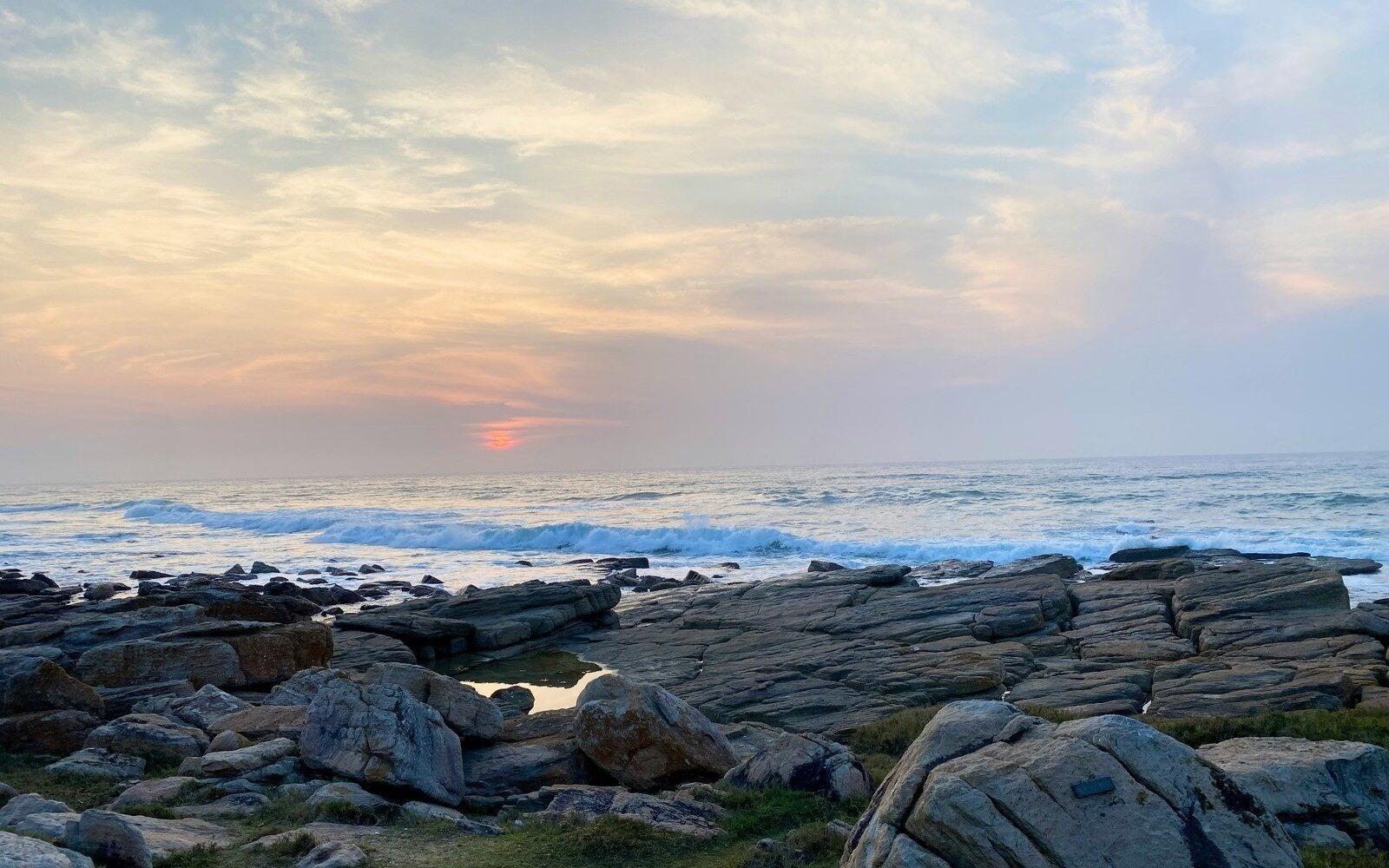
November through March are the best months to enjoy South Africa’s beaches, from late spring to early autumn. This time of year brings sunny skies and warm temperatures to the coast around Cape Town. Along the KwaZulu-Natal coast, the weather is sunny all year long, so even the winter months (June–August) are great for beach days.
As for surfing, the biggest swells hit South Africa between May and September, peaking in the coldest months. This time of year is ideal for experienced surfers, but novices will find the most beginner-friendly conditions during summer (December–February).
Wildlife calendar
Wildlife can be spotted all year round in South Africa, but certain months are better for specific species. Here’s a quick overview of the best times of year to see big cats, birdlife, marine mammals and more.
- Whales: August, September and October are the best months to spot migrating whales on the Whale Coast.
- Lions and leopards: Head to Sabi Sands during the dry season from May to October to see big cats in the wild.
- Rhinos: Rhino sightings are most likely in Kruger National Park between May and October.
- Impala and springbok: It’s easiest to spot these species during the dry season, but visit in November or December for the chance to see adorable newborn antelopes.
- Penguins: Visit Boulders Beach from March to May, during the breeding season, or November to January to witness the moulting season.
- Birdlife: The best time to go birdwatching in South Africa is from October to March. December and January are an especially good time to see migratory species like the white stork and the bright blue European roller.


Ask the expert
The best months to visit South Africa depend on your interests. June–August is the peak season for safaris, while December–February is the best time to visit Cape Town. September–November is a good time for whale watching and wildflowers. March–May brings the wine harvest and autumn leaves.
Temperatures in South Africa’s safari regions often exceed 30ºC (86ºF) in December, and summer rainstorms can create less-than-ideal conditions for game viewing.
If you don’t mind the heat and humidity, though, safaris are still possible at this time. December is one of the best months to see migratory birds, baby animals and gorgeous green landscapes.
The rainy season in South Africa differs by region. Most of the country has the highest rainfall from late spring through early autumn (November–March), including the safari regions. The Western Cape, however, is rainiest during winter (June–August).
The currency used in South Africa is the South African Rand (ZAR).
Yes, tipping is common in South Africa. At restaurants, 10–15% of the bill is a standard tip for good service. At bars, it’s customary to leave R5 per alcoholic drink. For hotel staff such as housekeepers and porters who provide direct assistance, it’s good practice to tip R5–10 per day.

Trip inspiration
Get inspired with some of our South Africa travel guides and discover new ways of exploring this beautiful country. Our best places to visit guide highlights South Africa’s most remarkable regions. And where to go on safari takes you through specific wildlife destinations, including classic Big Five reserves and lesser-known corners.
With hands-on expertise from our Africa team, these guides are a great starting point for planning your own journey.


Our world's best luxury wellness retreats
We’ve curated a guide to some of the world’s best luxury wellness retreats. And two of our favourites are right here in South Africa. Bushmans Kloof Wilderness Reserve stands out for its deep connection to place. You can enjoy experiences rooted in ancient Cederberg landscapes and guided walks that introduce you to native plants and traditional healing knowledge.
Leeu Estates, on the other hand, offers a more contemporary take on wellbeing. You can indulge in treatments and rituals inspired by the therapeutic properties of South Africa’s signature Pinotage grape – set among vineyards in the heart of the Winelands.kala
Ready to start planning?
Whatever you want from your next adventure in South Africa, our travel designers are ready to help.
