The Best National Parks in Tanzania: A Guide to the Northern and Southern Circuits

See the Big Five in the Serengeti, spot elephants in Tarangire, look for lions around Lake Manyara, witness wild dogs in Ruaha, watch hippos in Katavi and meet chimpanzees in the Mahale Mountains.

Tanzania boasts some of the best wildlife areas in all of Africa, ranging from wide-open plains to densely forested mountains.
With nearly two dozen national parks to explore, it can be difficult to decide where to go. With this in mind, we’ve compiled a list of the best national parks in Tanzania for sensational safaris and outdoor adventures of all kinds.
What you need to know
- Tanzania’s national parks are divided into two main regions: the northern circuit and the southern circuit.
- The northern circuit offers high densities of wildlife and legendary destinations, while the southern circuit is more remote and rugged.
- In the north you can visit the Serengeti, Tarangire and Lake Manyara – plus the Ngorongoro Conservation Area.
- The south boasts Nyerere, Ruaha, Katavi and the Mahale Mountains, though these destinations are quite far apart.
- June to October is generally the best time for safaris, but November to May brings the best birdwatching and the wildebeest calving season.
Northern circuit vs southern circuit: which is right for you?
Tanzania’s northern circuit includes some of its most well-known safari destinations. It’s more easily accessible than the southern circuit and has high concentrations of wildlife, which means sightings are more common. Because this is the more popular option, it can also be more crowded than the south.
The southern circuit is more remote and harder to access, with greater distances separating its national parks. It’s a great choice for travellers hoping to get off the beaten path and avoid crowds of other visitors. It also boasts unique experiences like chimpanzee tracking in the Mahale Mountains.
Ultimately, the choice between Tanzania’s northern and southern circuits depends on your priorities. Our team can offer further insights into the benefits of each, and then design a comprehensive and customised itinerary for you.
The top national parks on Tanzania's northern circuit
The northern region of Tanzania promises a classic safari experience packed with incredible animal sightings. Here are a few of our travel designers’ top picks for national parks on the northern circuit.

Serengeti National Park
There’s a reason why the Serengeti is the most famous national park in Tanzania. This is one of the best places to see the Great Migration: an annual event in which thousands upon thousands of wildebeest and other animals traverse its seemingly endless savannahs.
It’s also packed with impressive wildlife year round, from lions and leopards to Nile crocodiles. Stay at the mobile Wilderness Usawa Camp to follow the animals’ seasonal migration throughout the park.
From July to September you can see the dramatic river crossings of the Great Migration. However, we often recommend visiting outside of these peak months for smaller crowds and more exclusive experiences.
From December to March, you can witness the phase of the migration in which the wildebeest settle in the southern Serengeti to calve and raise their young.

Lake Manyara National Park
Lake Manyara may be relatively small, but within its 33,000 hectares there’s no shortage of stunning scenery and distinctive wildlife.
Keep an eye out for the famous tree-climbing lions, who are known to spend hours lounging among the branches, and all kinds of vibrant birdlife. Birdwatching is at its best during the wet season from November to March, when you can spot large flocks of brilliant pink flamingos.
We love Chem Chem Lodge and its sister camps, which are set on private land between Lake Manyara and Tarangire.
Tarangire National Park
If you’re visiting northern Tanzania in the dry season from June to October, Tarangire deserves a spot on your itinerary. This national park tends to be less crowded in terms of tourism, but it’s absolutely brimming with big cats, elephants, birds and other wildlife.
The landscape is dotted with ancient baobab trees, which bloom with white flowers just once a year. We suggest booking a luxury treehouse at Tarangire Treetops, whose main lodge encircles one of these iconic ‘trees of life.’
Tarangire is also a great destination for families; stay at the exclusive-use Forest Chem Chem for a completely bespoke and child-friendly safari.


From our experts
Don't miss: Ngorongoro Crater
Although it’s not technically a national park, I often recommend adding the Ngorongoro Conservation Area to any tour of Tanzania’s northern circuit.
This massive volcanic crater is brimming with sensational species, including leopards, hyenas and flamingos.

Top national parks on Tanzania's southern circuit
The southern part of Tanzania boasts several national parks that are delightfully remote and relatively uncrowded. Here are our favourite spots for adventurous safaris on the southern circuit.
Nyerere National Park
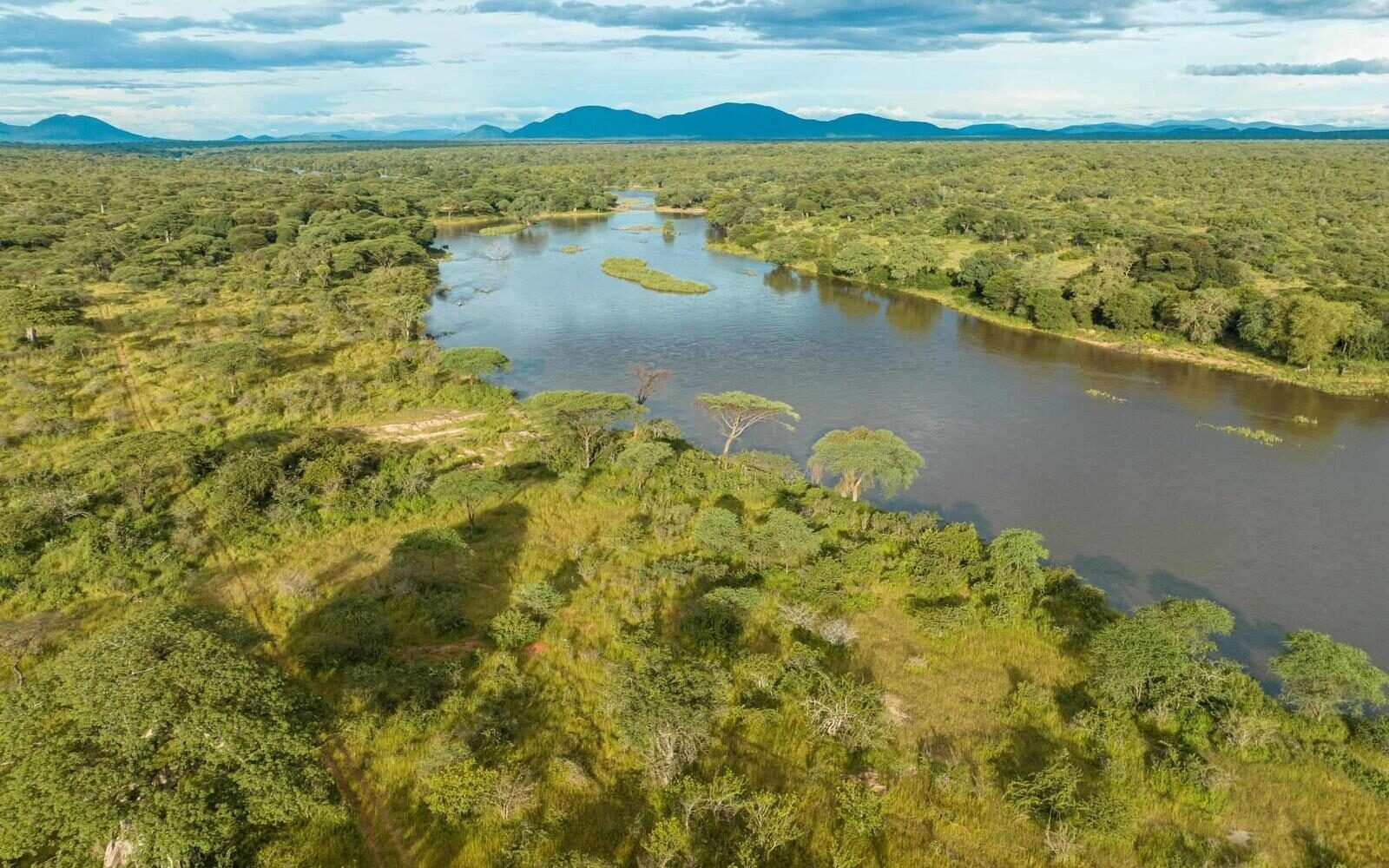
Nyerere National Park is both immense and incredibly well protected, with no permanent residences allowed inside it. Most of the reserve was renamed in 2019; just a small area retained the original name of Selous Game Reserve.
It’s a fantastic place to get off the beaten track and really dive into the natural world. Stay at the exclusive-use Kiba Point for thrilling fly camping and total seclusion, with just four cottages to accommodate private groups.
Take a boat trip on the Rufiji River for the chance to spot hippos, crocodiles and birdlife, as well as elephants, antelope and rare wild dogs on the shore.
Mahale Mountains National Park
The magnificent Mahale Mountains stand in striking contrast to some of the country’s other national parks. Here the foliage is thick, with lush hillsides surrounding Lake Tanganyika: one of the top natural attractions in Tanzania.
Jane Goodall conducted her pioneering research on chimpanzees nearby, and you can get up close to these fascinating animals on guided hikes through the forest. Greystoke Mahale is the perfect home base right on the lake’s shores.
Meeting wild chimpanzees may be a convincing enough reason to visit Tanzania’s Mahale Mountains, but it’s not the only one; you can also go kayaking and swimming in Lake Tanganyika, learn about local culture in a nearby village and much more.

Ruaha National Park
Located right in the heart of Tanzania, Ruaha is among the country’s most remote wildlife havens. It’s also one of the largest national parks in East Africa – around the same size as the Kruger in South Africa, but much less popular.
Here you’ll find big game like buffalo and elephants congregating along the Ruaha River, as well as wild dogs, antelope, giraffes, leopards and an infinite array of other majestic creatures thriving in unspoiled habitats.
For a tranquil escape among the quiet beauty of Ruaha, it’s hard to beat Jabali Ridge: a small and sophisticated lodge set amidst the rocky landscape.


Katavi National Park
For a truly exhilarating adventure in Tanzania, Katavi National Park is the place to be. Situated near Lake Tanganyika, it’s a delightfully wild and authentic environment that welcomes far fewer visitors than more well-known parks.
Perhaps the main attraction is the huge number of hippos that gather here during the dry season.
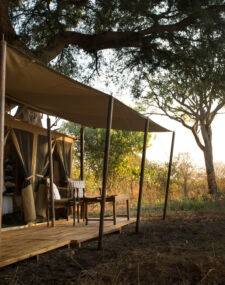
With just six bush tents, Chada Katavi is among the best places to stay in Tanzania if you want to be entirely immersed in this remote paradise.
The Serengeti vs Nyerere
The choice between Serengeti National Park (on the northern circuit) and Nyerere National Park (on the southern circuit) depends on what sort of safari experience you’re after. Here are a few of the primary benefits of each.
Choose the Serengeti for:
- High concentrations of wildlife in a smaller area
- The dramatic spectacles of the Great Migration
- Mobile safari camps that follow the migration through the park
Choose Nyerere for:
- A more remote and wild experience
- Thinner crowds than some of Tanzania’s more famous parks
- Boat safaris and village visits
When is the best time to visit Tanzania's national parks?
The best time to visit Tanzania depends on which parks you’re headed to and what you want to see and do. June to October brings the best conditions for safaris, while November to May is ideal for birdwatching.
July to October is also peak season for chimp trekking in the Mahale Mountains, and September to October is the prime time to see elephants in Tarangire.
If you’re hoping to see the Great Migration, remember that this is a year-round phenomenon. In addition to the river crossings from July to September, there are plenty of other magical and impressive stages of the migration.
For instance, the southern Serengeti is the site of the wildebeest calving season from January to March, when the foliage is beautifully lush and green.
Our travel designers are well versed in the benefits of travelling at every time of year, and can help you choose the best month to suit all of your interests.
Ask the expert
Serengeti National Park is the best place to see the Great Migration river crossings in Tanzania. Keep in mind that these events can draw large crowds to the northern Serengeti near the Kenyan border.
If you want to see the river crossings, we recommend choosing your camp carefully. Our favourite place to stay during the peak season is the Lamai Wedge, which tends to be more peaceful.
You can go birdwatching in virtually all of Tanzania’s best national parks, but Lake Manyara is especially impressive thanks to its bright pink flamingos.
Tarangire is also a top destination for spotting endemic avian species like the yellow-collared lovebird and the ashy starling.

Ready to start planning?
Whatever you want from your next adventure in Tanzania, our travel designers are ready to help.
Trip inspiration
Get inspired with some of our example trips.
Explore our classic Tanzania journey through Arusha, the Ngorongoro Crater and the Northern Serengeti. Or think of pairing Singita Grumeti with the Seychelles for that perfect safari-and-secluded-island combo. Contact us to learn more about why Tanzania is a great place to start.


