Our Guide to the Great Migration in Tanzania
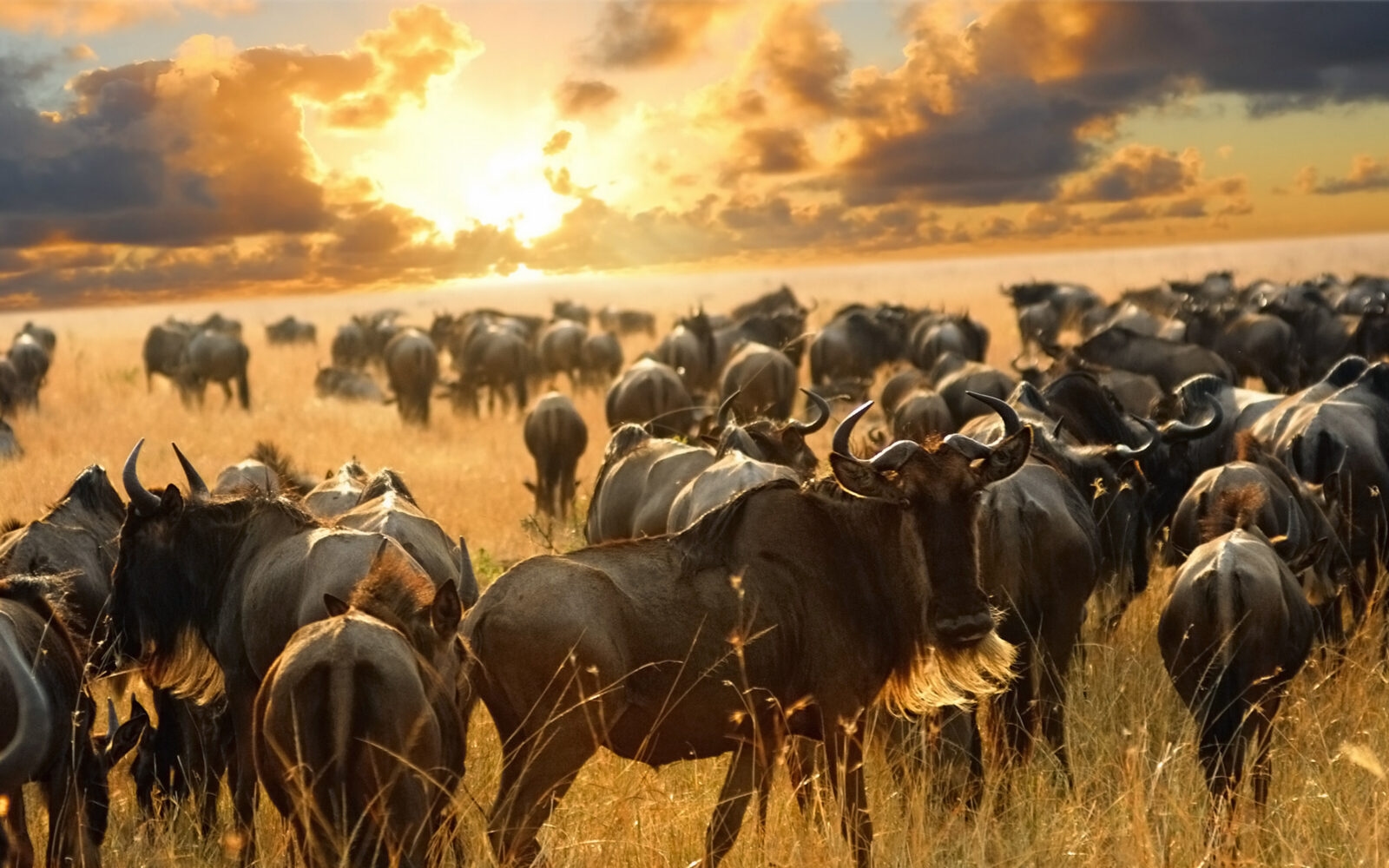
Throughout the year, the wildebeest herds travel around Tanzania’s Serengeti National Park. From when to travel to where to stay, we answer all your questions about how best to witness the ‘Greatest Show on Earth’. This is our ultimate guide to the perfect Great Migration safari in Tanzania.

The Great Migration is undoubtedly one of the world’s most incredible natural occurrences. It’s a once-in-a-lifetime safari that you need to get right first time – and that’s where Jacada Travel come in.
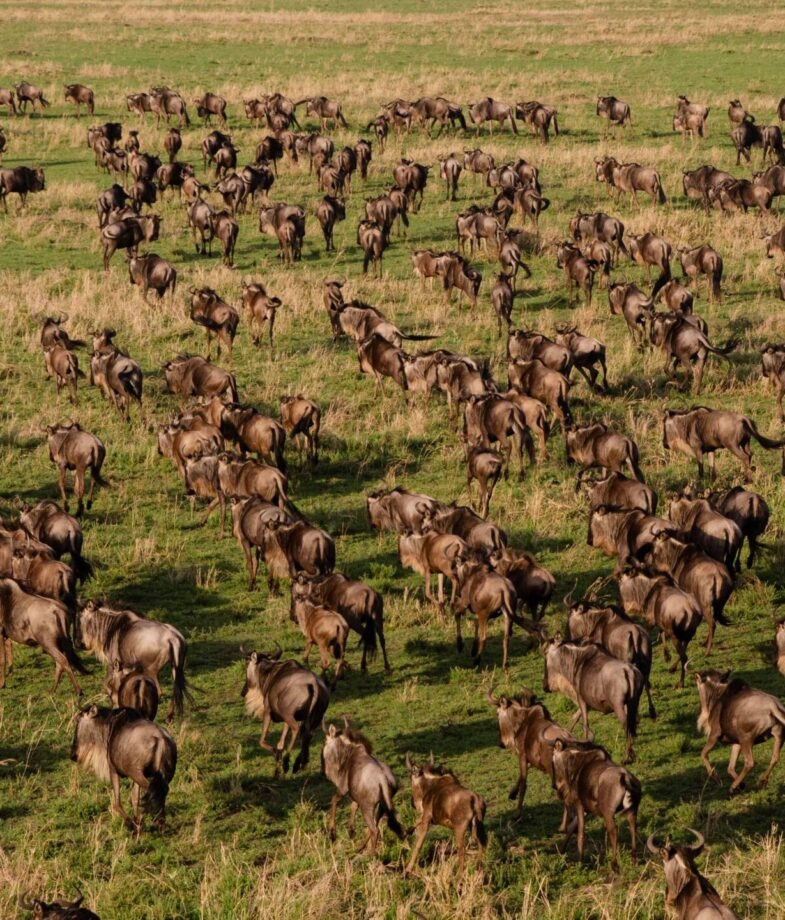
Around 1.5 million wildebeest, 400,000 zebra and 200,000 gazelle embark on a relentless migration that sees them following the rain throughout the year, travelling in a clockwise direction around Tanzania’s Serengeti National Park and Kenya’s Maasai Mara Game Reserve.
The herds spend the first part of the year in the south east Serengeti where they feed and give birth. As the land dries up, they are forced to move on and embark on the most dangerous part of their journey, thundering through the plains, crashing across rivers and escaping the jaws of hungry crocodiles to reach the fertile pastures of the Maasai Mara in Kenya. No wonder the migration is often referred to as the ‘Greatest Show on Earth’.
A migration safari should be on everyone’s bucket list, but make sure you do it properly. Let us give you the best advice for witnessing this phenomenal spectacle. Read through this guide for an overview and then get in touch with us to go through the details of this trip of a lifetime with one of our safari experts.
When is the Great Migration in Tanzania?
In Tanzania, you can see the migration throughout most of the year; exactly when you travel will depend on what you want to see. The only time we advise people not to travel is April and May, when both Tanzania and Kenya experience a long rainy season.
December to April
Wildebeest give birth
Wildebeest give birth in the grasslands of the Serengeti, Tanzania, around the month of February. Around 300,000 calves are born each year, as the herds move around the south east Serengeti, munching the nutrient-rich grass. The short grass also means they are safer from predators.
April to June
Travel begins
The Serengeti begins to dry up. The wildebeest start to travel north, up through the Grumeti Private Reserve towards the Maasai Mara, where it is starting to rain.
July to October
Peak season
From August until October is when most river crossings take place and is the peak season for migration safaris. The herd have to traverse the Mara River, as they cross the border from Tanzania and into Kenya’s Maasai Mara National Park. During August and September, the herds will mainly be in Kenya.
October to December
Return southwards
The herd starts to move south and curve back into Tanzania, once again following the rain. Although we know roughly the route of the migration, it cannot be predicted: the wildebeest follow the rain and the weather is an unreliable force of nature. Exactly when they will reach a certain point is not an accurate science and there are also several ‘splinter herds’ that take off from the main group.
What are the benefits to seeing the Migration in Tanzania?
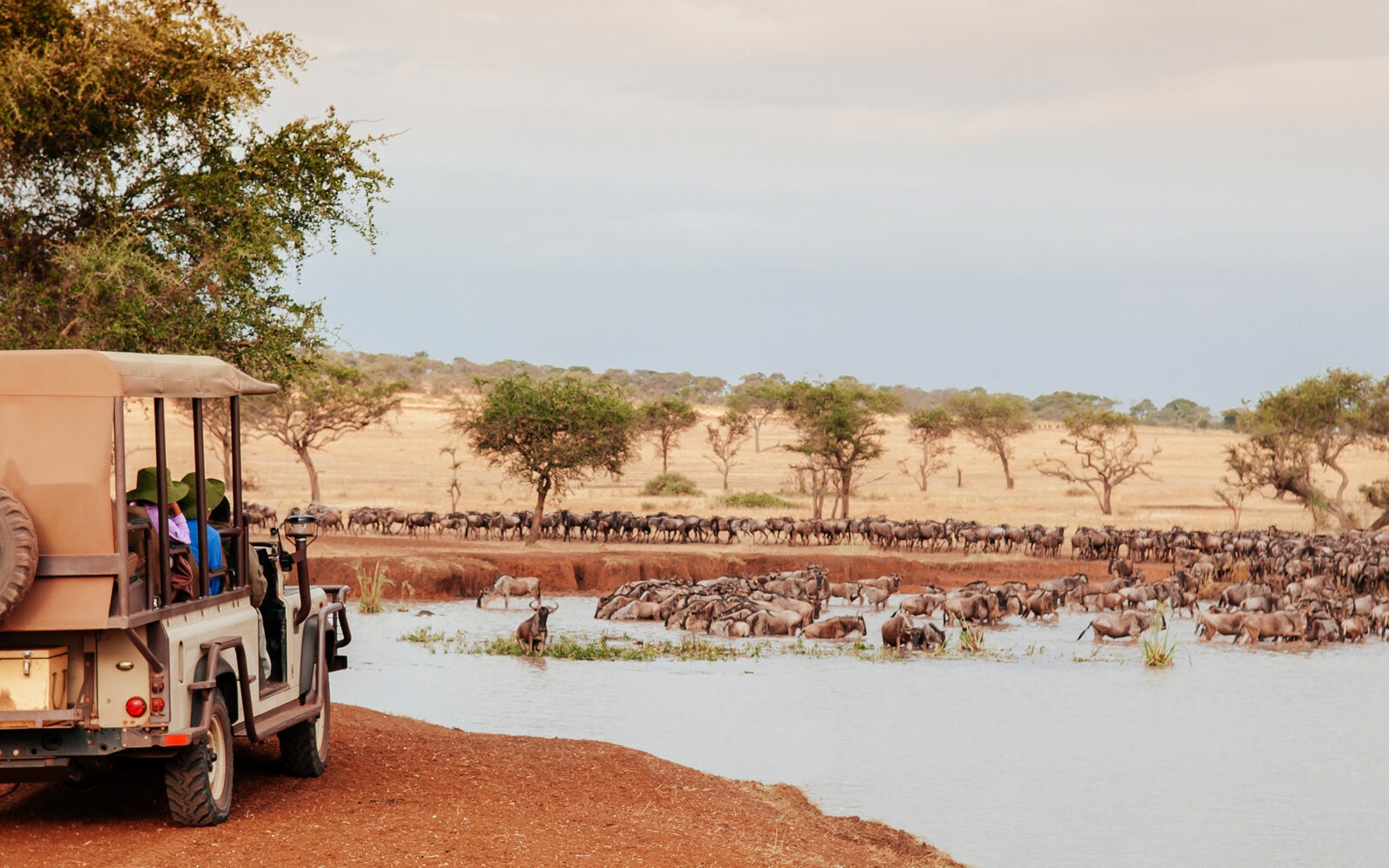
Tanzania’s Serengeti is much, much quieter than the Maasai Mara. Here, you could have a river crossing or migration sighting all to yourself, perhaps shared with one other vehicle.
The wildebeest spend the majority of their year in Tanzania, so there is much more flexibility when planning your safari; the wildebeest are only in Kenya’s Maasai Mara during August and September.
The lodges and camps in Tanzania are some of the finest and most exclusive in eastern Africa. We can find the best ones to suit your tastes and give you the greatest opportunity to spot the migration.
Our experts say
There’s so much to do in Tanzania besides witnessing the migration. We always recommend you pair a migration safari with a different part of the country, whether it’s the Ngorongoro Crater or a Zanzibar beach break.
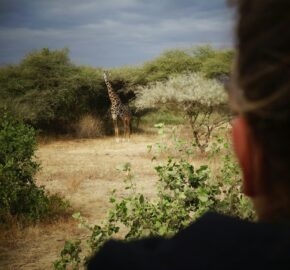
Where to stay to see the Great Migration
Due to the unpredictable nature of the migration, a mobile camp is by far the best accommodation option for at least part of your trip. Mobile camps are the ultimate in detox safaris: with no WIFI and electricity, you’re forced to switch off your phone and get some one-on-one time with nature.
Whilst the camps are far from basic – with Persian rugs and four-poster beds – they won’t be the luxurious accommodation you’d usually expect. However, the value of mobile camps is that they base themselves wherever the herds happen to be, so you’re almost guaranteed a migration viewing.
Many of the tented camps are available on a private-use basis, too. Which mobile camp you book will depend on what time of year you’re travelling and what you hope to see. Get in touch with us for our recommendations.
We suggest you pick two bases and split your time across the two locations, thus increasing your chances of seeing the migration and river crossings. Our favourite combination is a mobile camp followed by a luxurious lodge.

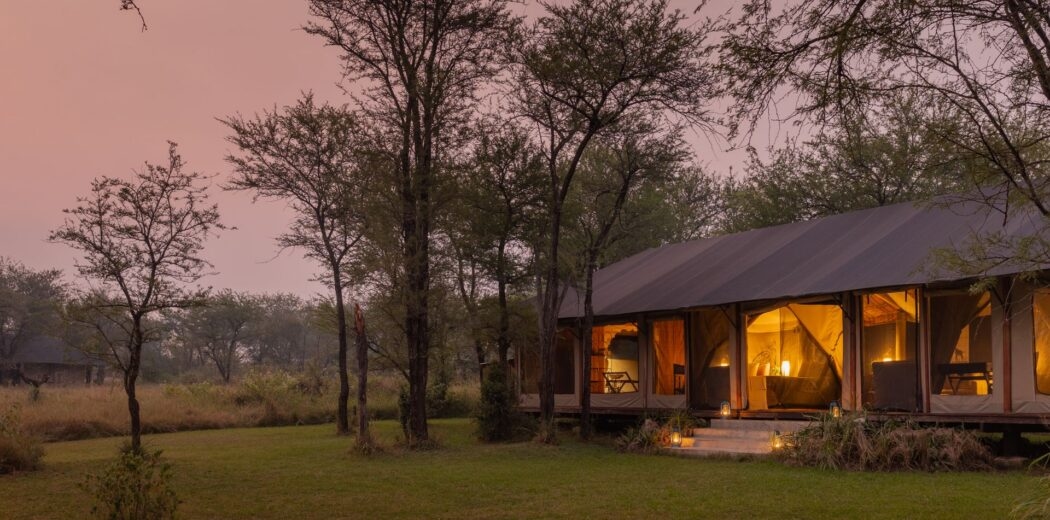
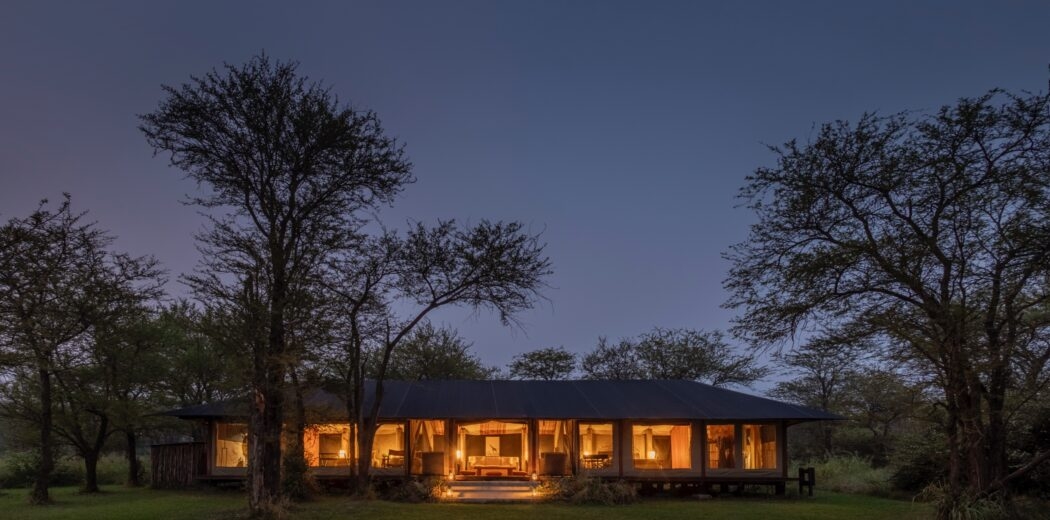
Avoid the traffic
Watching the herds charge across a river is a true bucket-list moment, but to get it right, you have to be in the right place at the exact right time. It can get chaotic when too many vehicles are jockeying for a view. That’s why we take a much more considered approach. We can arrange a trip for you that avoids the crowds and prioritises minimal impact on the environment. Giving you that incredible, exclusive experience without the ‘safari traffic’.
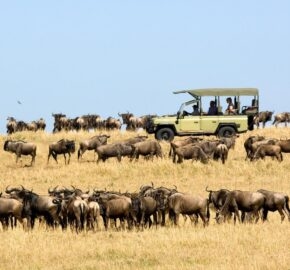
Will I be able to see a river crossing?
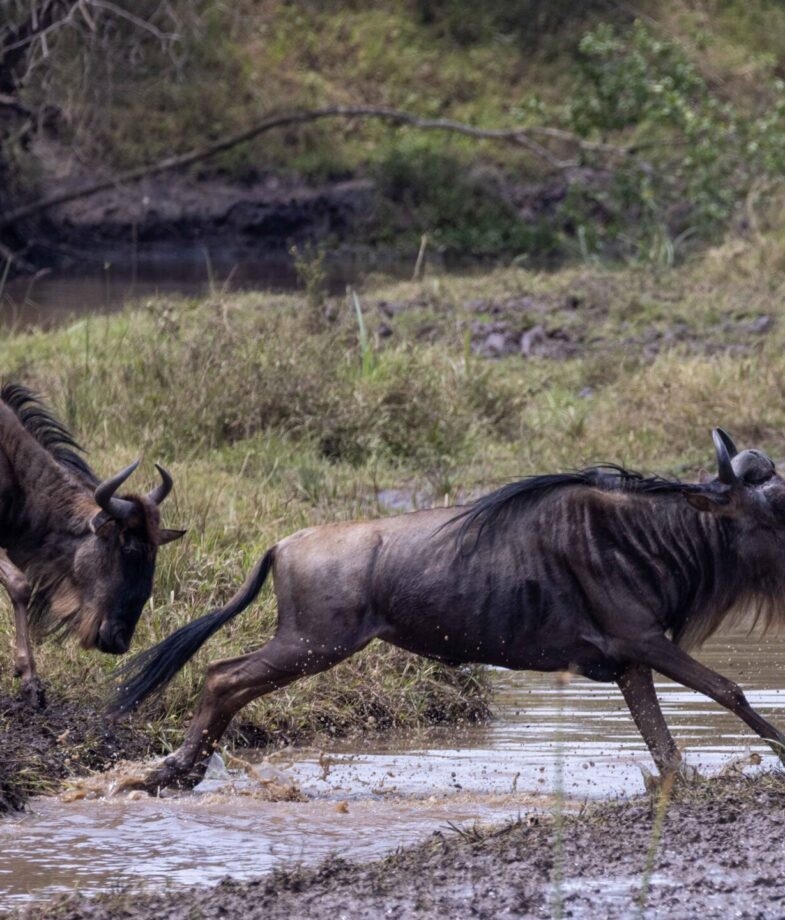
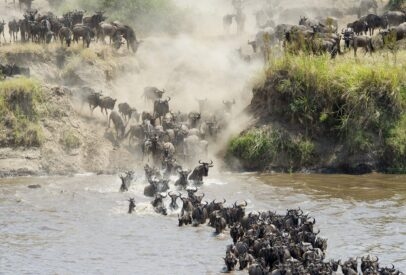
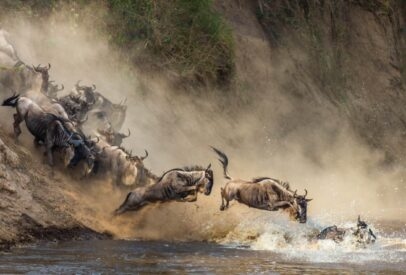
River crossings are the most popular part of the migration, due to the high drama. The wildebeest must cross the Mara River on their journey from Tanzania’s Serengeti to Kenya’s Maasai Mara. It’s a perilous passage that sees many of the herd lost to the crocodiles that lurk in wait.
You may get to witness a river crossing if you’re travelling around the Tanzania-Kenya border from August to October. However, even if you arrive at a river exactly as the herds gather on the bank, they might simply stand there for a couple of days, nervously waiting for the first wildebeest to make the jump.
However, travelling around the correct time of year, booking with our experts, and staying in our carefully selected mobile camps will hugely optimise your chances of seeing the huge herds of wildebeest crash across the river.
What else can I see and do in Tanzania?
Tanzania is a vast country with much to offer its guests. We always advise our clients to combine their migration safari with other Tanzania destinations. The Ngorongoro Crater – a huge volcanic crater, about 20km across and an important conservation area – is a must-see in Tanzania and is very close to the Serengeti, making it an easy addition to your itinerary.
You can visit the flamingo haven Lake Manyara, spot elephants on a walking safari in Tarangire National Park or – if you’re feeling up to the challenge – attempt to take on the mighty Mount Kilimanjaro, Africa’s highest peak. Zanzibar‘s beaches are undoubtedly amongst the best in Africa and a stop on these beautiful shores is the perfect way to round off a safari holiday.

Our top example trips to see the Great Migration
Get inspired with two of our Great Migration example itineraries. Then chat to our experienced team and start planning your wildlife adventure in Tanzania.
Ready to start planning?
Feeling inspired? Our expert travel designers are always on hand to help you plan your Great Migration safari.
