The Best National Parks in Zambia

Zambia’s national parks stand out for their scale and diversity. They protect vast landscapes, support rare wildlife and give you a chance to experience safaris in places that feel wild and unhurried.

Zambia is among the best places to visit in Africa for a classic safari experience, rare wildlife sightings and incredible natural beauty – from the thundering power of Victoria Falls to the wide-open plains and woodlands of South Luangwa. There are a total of 20 national parks in Zambia, the most recent addition being Lusaka National Park near the country’s capital. We’ve selected a handful of them to highlight here based on our travel designers’ expert tips.
South Luangwa National Park
South Luangwa is probably the most legendary of all of Zambia’s national parks, thanks in large part to its legacy as the birthplace of walking safaris. These low-impact experiences were pioneered by Norman Carr in the 1950s and allow you to see Zambia’s wildlife and landscapes from a different perspective. In South Luangwa you’re likely to spot iconic animals like lions, leopards, elephants and giraffes in addition to hundreds of bird species.
Need to know: The best time of year for a walking safari in Zambia is the dry season (May–October) when visibility is higher, sightings are more likely and the skies are clear.

Lower Zambezi National Park
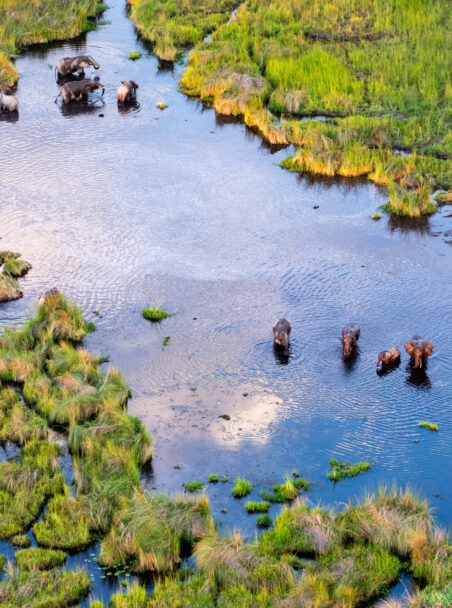
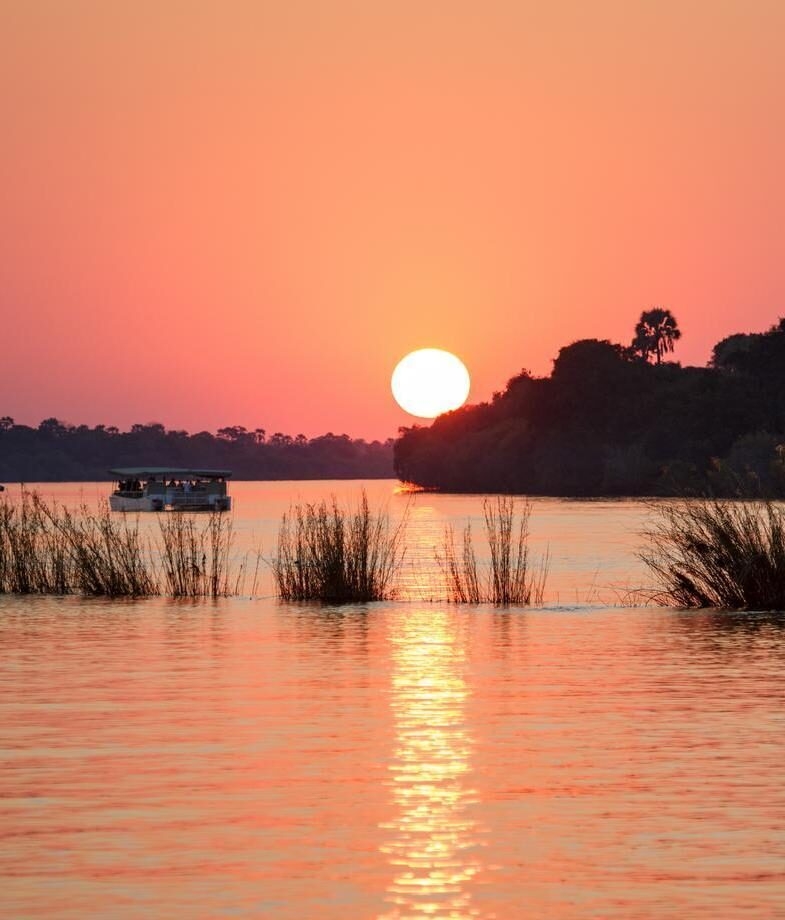
Lower Zambezi National Park is on the southern side of Zambia, bordering Zimbabwe. Named after the mighty Zambezi River that flows through it, this park is especially ideal for spotting elephants and buffalo. The latter are known to move between the river’s islets, earning them the appropriate nickname of ‘island-hopping buffalo.’ Stay at Sausage Tree Camp or Lolebezi Lodge for riverside luxury and water-based activities like fishing, canoeing and sunset cruises.
Need to know: Encompassing just over 4,000 square kilometres (1,500 square miles), the Lower Zambezi is Zambia’s fifth-largest national park.

Kafue National Park
Zambia’s oldest national park is also its largest. Kafue National Park was officially established in the 1950s and covers 22,400 square kilometres (about 8,650 square miles) of rugged wilderness, home to a huge diversity of wildlife. Here you can see not only elephants, lions and leopards, but also cheetahs, wild dogs and many small animals such as honey badgers, bush babies and mongooses. There’s also a wide array of ungulate (hoofed mammal) species.
Need to know: Kafue National Park is easy to reach from Lusaka and can also be combined with a visit to Victoria Falls or Lower Zambezi National Park.
Jamey's recommendation for wildlife sightings
For the chance of witnessing incredible wildlife in Zambia’s National Parks I recommend a guided walking safari at sunrise. My guide and I took a stroll in the golden glow of a new day down to a river and quickly spotted a pack of wild dogs then, just minutes later, we came across a majestic pride of lions.

Liuwa Plain National Park
Although Liuwa Plain National Park was officially established in the 1970s, it’s actually been a protected area since the 1880s, when King Lubosi Lewanika declared it as such. Today it’s among Zambia’s lesser-known parks, promising plenty of animal sightings thanks in large part to the wildlife reintroduction and conservation efforts of recent years. We highly recommend a stay at King Lewanika Lodge, one of the best luxury safari lodges in all of Africa.
Need to know: Liuwa Plain National Park boasts the continent’s second-largest wildebeest migration. To see it, visit at the beginning of the rainy season in November or early December.
North Luangwa National Park
Though not nearly as famous as its southern counterpart, North Luangwa National Park is certainly well worth a visit. It’s the only park in Zambia where you can see all of the Big Five, due to its small but steady population of rare black rhinos. Seeking out these majestic creatures is among the most memorable things to do in Zambia. It’s also a testament to the power of conservation, as this species has been saved from near extinction over the past three decades.
Need to know: In addition to the Big Five, North Luangwa National Park is also home to zebras, wildebeests, hyenas, hippos, wild dogs and many other animals.


Mosi-oa-Tunya National Park
Mosi-oa-Tunya means ‘the smoke that thunders’ in the local Lozi language – a fitting moniker for the natural wonder it describes, which is also known as Victoria Falls. This national park encompasses the Zambian side of the falls adjacent to the city of Livingstone. It’s the country’s smallest national park but undoubtedly among its main attractions, not only for the falls themselves but also for a stunning variety of wildlife, including a small number of white rhinos.
Need to know: Stay at Wilderness Toka Leya Camp for a peaceful retreat within the park and easy access to Victoria Falls.

When is the best time to visit Zambia’s national parks?
The best time to visit Zambia’s national parks is during the dry season from May to October, which is also the best time to visit Zambia in general. These months offer the lowest chance of rain and the best conditions for safaris thanks to low vegetation and higher concentrations of wildlife around water sources. There are some exceptions, however; for instance, February–July is the best time to visit Victoria Falls for epic views.


Zambia National Parks FAQs
South Luangwa National Park is the most famous national park in Zambia. One reason for this is its long history of conservation and reputation as the place where walking safaris were first introduced. It’s also well known for its high population of leopards and various other animals, including unique endemic species like the Thornicroft’s giraffe and Cookson’s wildebeest.
You can see all sorts of animals in Zambia’s national parks, including all of the Big Five (lions, leopards, elephants, buffalo and rhinos), giraffes, wild dogs, zebras, antelope, hyenas, wildebeests, hippos, crocodiles and hundreds of bird species. The likelihood of specific sightings depends on the location, and not all of these animals are present in every national park.
Yes – Zambia’s national parks are fantastic destinations for family trips, especially if you’re up for an adventure. Many of the best lodges and camps in Zambia offer specially designed tents or suites for families and age-appropriate activities for younger travellers. Keep in mind that certain activities, such as walking safaris, may have a higher minimum age than others.

Ready to start planning?
Whatever you want from your next adventure in Zambia, our travel designers are ready to help.
Broaden your safari experience
Visiting Zambia might make you curious about what else to see in Africa. If you’d like to widen the scope of your trip, our specialised travel designers have created curated guides to help you. Explore our selection of the most beautiful places to visit in Africa with experiences such as gorilla trekking in Uganda and time to take in the vast beauty of Namibia’s desert landscapes.
If you are particularly interested in how a safari itself unfolds, our first-time safari guide is a practical resource that covers everything you need to know for your journey.