
The Best Places to Visit in Vietnam: A Curated Guide for Luxury Travellers


Vietnam is a long and narrow nation on the edge of Southeast Asia, home to around 100 million people and dozens of destinations worth visiting. The best places to visit in Vietnam offer radiant natural beauty, complex and compelling history, widely beloved cuisine and enthralling urban culture.
Vietnam’s attractions range from sublime tropical beaches to misty mountain oases. Our travel designers have crossed the country in search of the most magical cities, secluded sanctuaries and spectacular views. Here are their favourite Vietnam sites to visit.

Ho Chi Minh City
Ho Chi Minh City, which was known as Saigon until 1976, is home to about 10% of Vietnam’s population. It’s constantly busy and beautifully chaotic, with a thriving culinary culture and street food scene. It’s also brimming with history, from intricate pagodas and French colonial architecture to the poignant War Remnants Museum. Here you can stay in historic hotels, discover the city’s incredible landmarks, embark on street food tours and enjoy the views from rooftop bars. The weather is best for outdoor activities and exploring from December to April.
Need to know: About an hour’s drive outside the city you’ll find the Cu Chi Tunnels, which played a vital role in the Vietnam War (called the American War here). Touring them is one of the best things to do in Vietnam.

Hue
Located just up the coast from Danang, Hue offers a glimpse into Vietnam’s imperial history. It was the heart of the Nguyen Dynasty: the country’s final royal dynasty, which ended in 1945. Although large parts of the city were destroyed during the wars of the 20th century, remnants of its illustrious past are everywhere. You can visit the city’s historic citadel and imperial tombs alongside a local historian, and taste traditional cuisine at the former home of a Nguyen princess. Every two years the city hosts the Hue Festival to celebrate local heritage and culture.
Need to know: We highly recommend a sunset cruise on the Perfume River, as well as a boat trip to Thien Mu Temple to see its iconic seven-story pagoda.
Hanoi
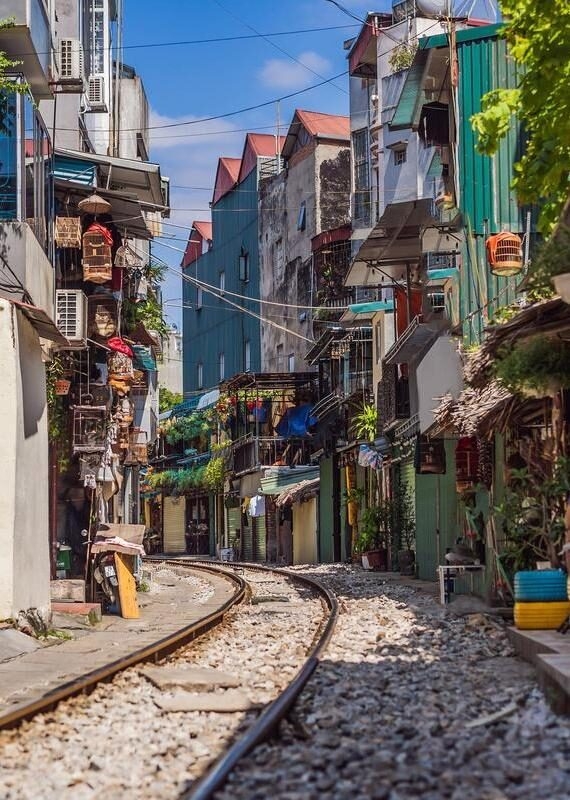
Visiting Hanoi, the country’s spellbinding capital, is a chance to experience the very best of Vietnamese culture and cuisine. There are markets, museums, live performances and art galleries – but also singular spots like Ho Chi Minh’s Mausoleum and Hoa Lo Prison. We can organise street food tours led by local experts on foot, by Vespa or on a vintage motorcycle, as well as private cooking classes and traditional water puppetry shows.
Need to know: Hanoi is one of the best places to visit in Vietnam all year round, but the weather is cooler and drier from November to April. Visit toward the end of this window to enjoy spring flowers and mild temperatures before the summer heat and rain arrive.

Lan Ha Bay
Lan Ha Bay is an off-the-beaten-path idyll known for its lush islets, floating villages, hidden beaches and overall sense of tranquillity. It’s less busy – though no less beautiful – than its better-known neighbour, Halong Bay, and best explored on a luxury overnight cruise. You can choose from traditional junk boats and sleek modern ships, and spend your days sea kayaking and swimming in the glistening green waters.
Need to know: October through April are the best months to visit Lan Ha Bay for dry weather, calm seas and the smallest crowds.

Halong Bay
Halong Bay is a UNESCO World Heritage Site and an absolute must-see in northern Vietnam. Part of the gorgeous Cat Ba Archipelago, it’s known for its stunning limestone islets, rock formations, emerald waters, caves and coves. Spend a couple of days on a luxury junk (traditional sailing vessel) to explore all the hidden corners of this legendary bay – the epitome of slow travel. The months of March through May bring the best weather for cruising, including clear skies that create ideal conditions for photography.
Need to know: Cat Ba Island is not to be missed, with a national park inhabited by rare golden-headed langurs and many other majestic animals.
Mekong River
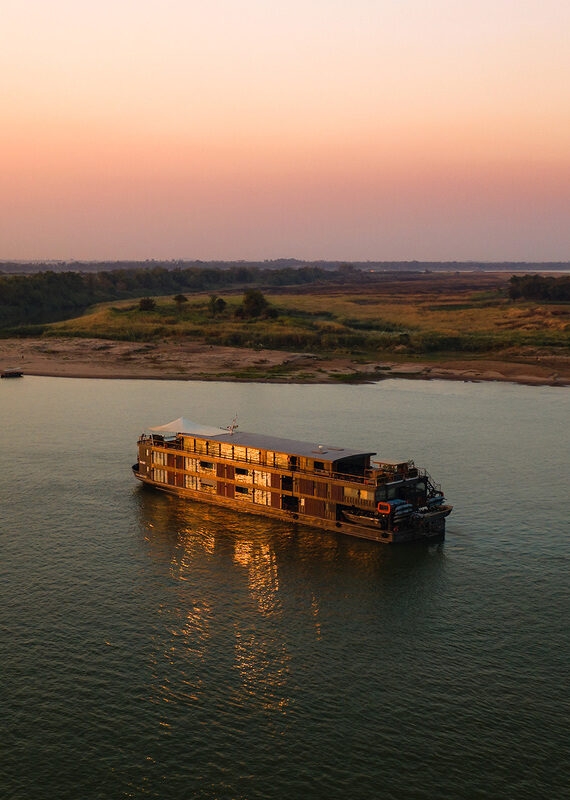
The Mekong River flows all the way from the Tibetan Plateau to southern Vietnam, where it feeds the bountiful farms and rice paddies of the Mekong Delta. It’s well worth spending several days here aboard a sumptuous ship like the Aqua Mekong, which offers plenty of exciting excursions plus unparalleled onboard comforts. Step from the ship to a traditional sampan boat to explore winding waterways and floating markets, visit artisanal workshops and savour tasting menus of local delicacies.
Need to know: You can easily combine Vietnam and Cambodia in the same trip by opting for a cross-border cruise between Ho Chi Minh City and Siem Reap.
Nha Trang
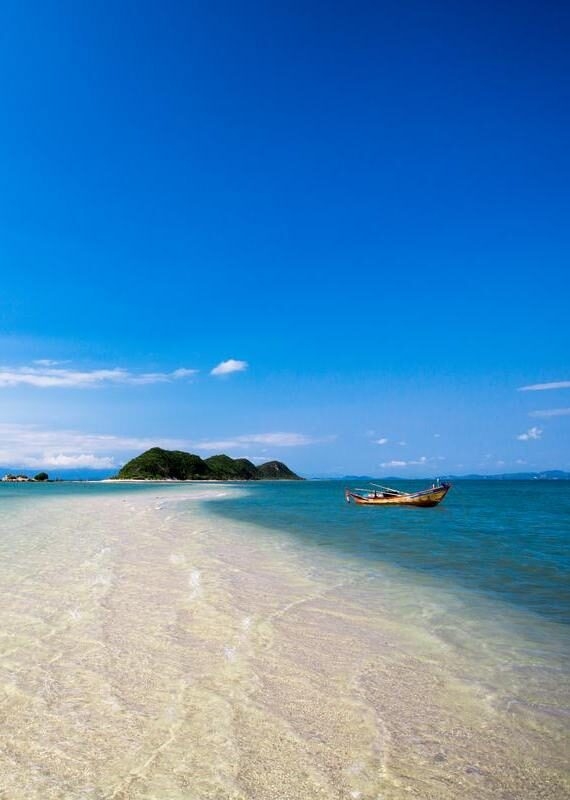
If you want to escape to somewhere a bit more serene, consider the quiet beaches surrounding Nha Trang. The city itself is bursting with busy resorts, but nearby you’ll find tranquil stretches of sand and bucolic countryside. Wellness seekers will enjoy hot springs and mud baths, while intrepid adventurers can go scuba diving in the South China Sea.
Need to know: Stay in a waterfront villa at Fusion Resort Cam Ranh just south of Nha Trang, or at Six Senses Ninh Van Bay to the north.

Sapa
The lofty town of Sapa is a hiker’s paradise, surrounded by the Hoàng Liên Son Mountains and panoramic views of terraced rice fields. Located close to the Chinese border, it attracts many travellers hoping to climb Fansipan (the highest peak in Indochina). There’s also plenty of local culture to learn about, including that of the H’mong and Red Dao minority groups.
Need to know: It takes several hours to summit Fansipan on foot, but for a more leisurely experience you can take a scenic cable car journey to the top.

Hoi An
Boasting an eclectic mix of cultural influences, Hoi An is a truly enchanting town on Vietnam’s central coast. Much of the old quarter – a UNESCO World Heritage Site – is pedestrian-only, and the streets are illuminated by colourful lanterns at night. Add to that hundreds of historic houses, temples and pagodas, and there’s no way Hoi An could fail to capture your imagination. We can arrange cooking classes, sunset boat trips and stays at elegant boutique hotels. We also recommend visiting one of the local tailors, who craft handmade clothing using traditions that have been passed down through the generations.
Need to know: To experience one of the world’s best luxury railway journeys, travel from Hoi An (via Danang) to coastal Quy Nhon on the opulent Vietage Train.

Phu Quoc
If swaying palms and fresh seafood sounds like your style, Phu Quoc should be at the top of your list. Located in the Gulf of Thailand off the country’s southwestern coast, it’s the largest island in Vietnam. Here you’ll find secluded white sand beaches, exceptional diving and snorkelling, lush forests and various culinary specialties, including blue crab, sea urchin, native mushrooms and fish cakes. It’s best to visit between November and April for warm and sunny weather that’s perfect for exploring the island or lounging on the beach.
Need to know: Phu Quoc has several excellent hotels; stay at La Veranda for classic elegance or The Shells Resort for minimalist luxury and a world-class spa.

Dalat
Located a few hours inland from Nha Trang, Dalat is nicknamed ‘the City of Eternal Spring’ thanks to its pleasant weather and verdant surroundings. It also stands out for its distinctive French influence – including colonial villas and pastry shops – which creates an interesting contrast with the authentic culture of the Vietnamese highlands.
Need to know: The best time to visit Vietnam’s central region is generally January through August, but Dalat is at its best during the dry season from December to March.
Planning a bespoke trip to Vietnam
Allow our team of local experts to craft a perfectly personalised journey for you. Our trips prioritise slower travel, meaningful connections and seamless organisation that allows you to completely immerse yourself in the natural, cultural and culinary wonders of Vietnam.
Let us design a personalised Vietnam journey, from north to south, crafted entirely for you:


