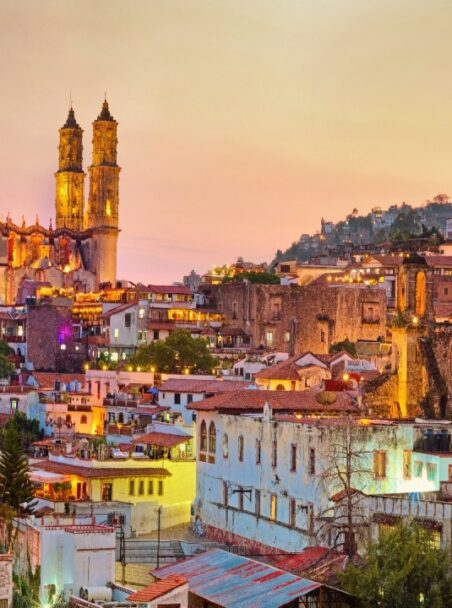
The Top 8 Landmarks to Visit in Mexico

Our travel experts have selected a list of their favourite landmarks in Mexico for their remarkable history, architecture and cultural significance. Here, you can explore ancient ruins, enormous plazas and striking natural wonders.

There’s an enormous variety of famous landmarks in Mexico, ranging from ancient ruins to natural wonders. Travellers with an interest in history, culture, art and architecture can marvel at the Mayan pyramids around Mérida or spend hours exploring the museums of Mexico City, while nature lovers should head straight to the canyons and mountains of northern Mexico.
We believe that visiting significant places – whether archaeological sites or urban attractions – is one of the best ways to gain insight into the identity of any country or culture. With this in mind, we’ve put together a list of the eight top landmarks in Mexico to inspire your next journey.
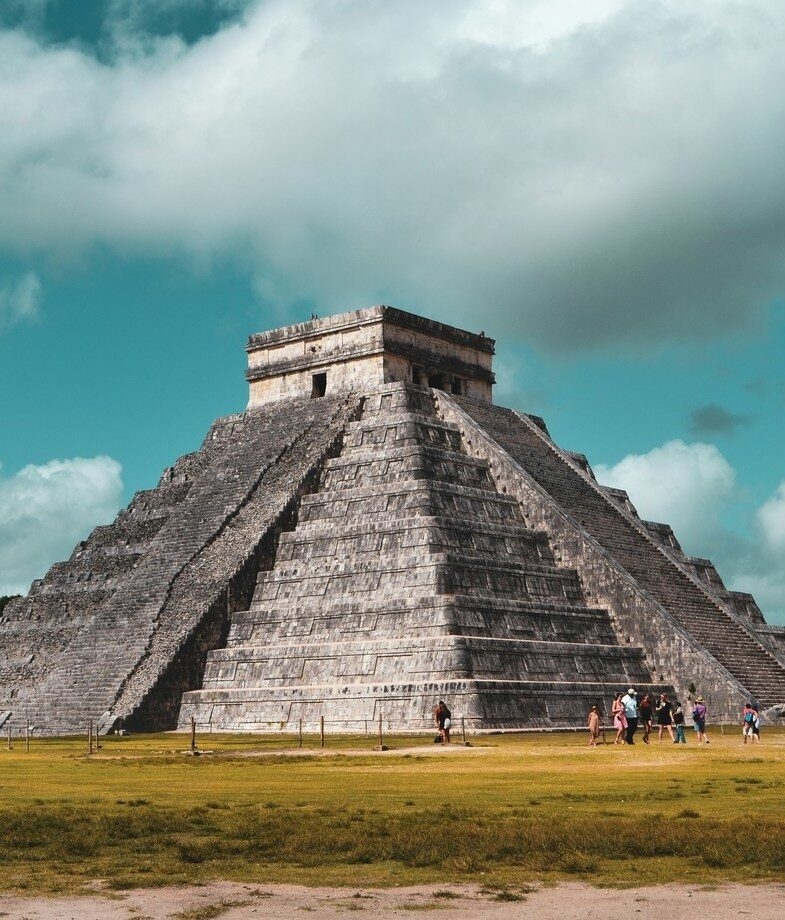
1. Chichén Itzá, Yucatán
The Yucatán Peninsula is home to many important Mexican landmarks, including several archaeological sites with incredibly well-preserved Mayan ruins. Perhaps the most famous of these is Chichén Itzá, with its pyramidal Temple of Kukulkan (also known as El Castillo), Great Ball Court and Sacred Cenote.
This destination is especially popular on the spring equinox in March and the autumn equinox in September, when the sun hits the pyramid at just the right angle to create the shadow of a slithering serpent on its surface.
2. Tulum Ruins, Yucatán
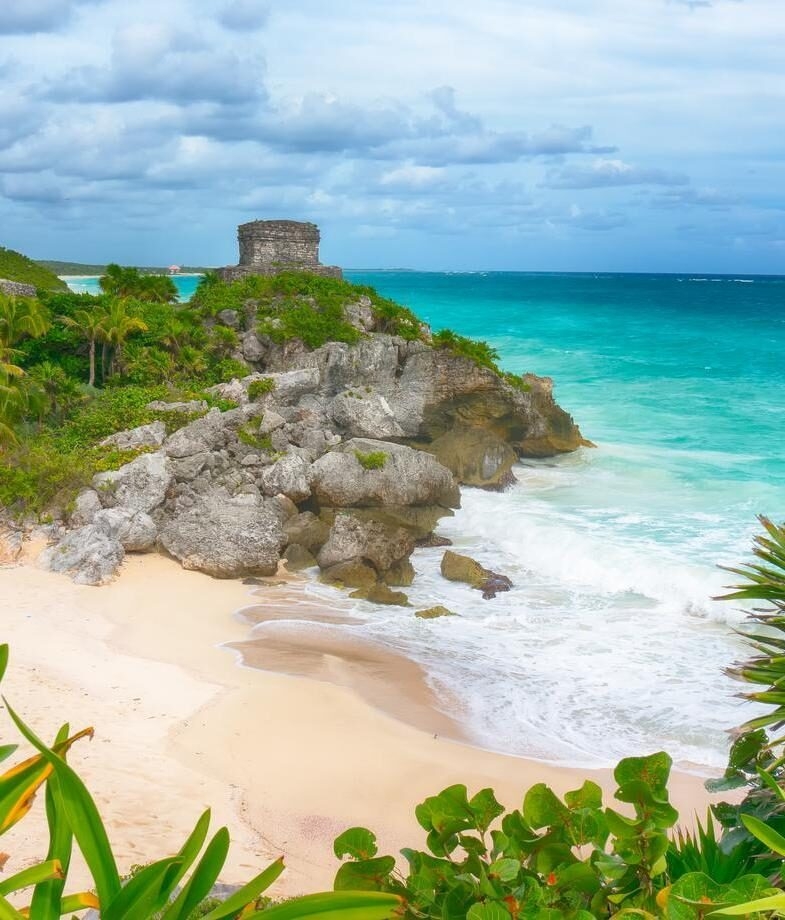
The town of Tulum boasts some of the prettiest beaches in Mexico, but its main cultural attraction is the archaeological site of the same name. The Tulum ruins (officially Tulum National Park) include a fortified stone wall, temples and a lighthouse, all of which are several hundred years old.
The ruins’ seaside location makes them especially picturesque. In addition to exploring the site on foot, you can take a boat tour to see it from the water and even go snorkelling along the coast below.
3. Zócalo, Mexico City
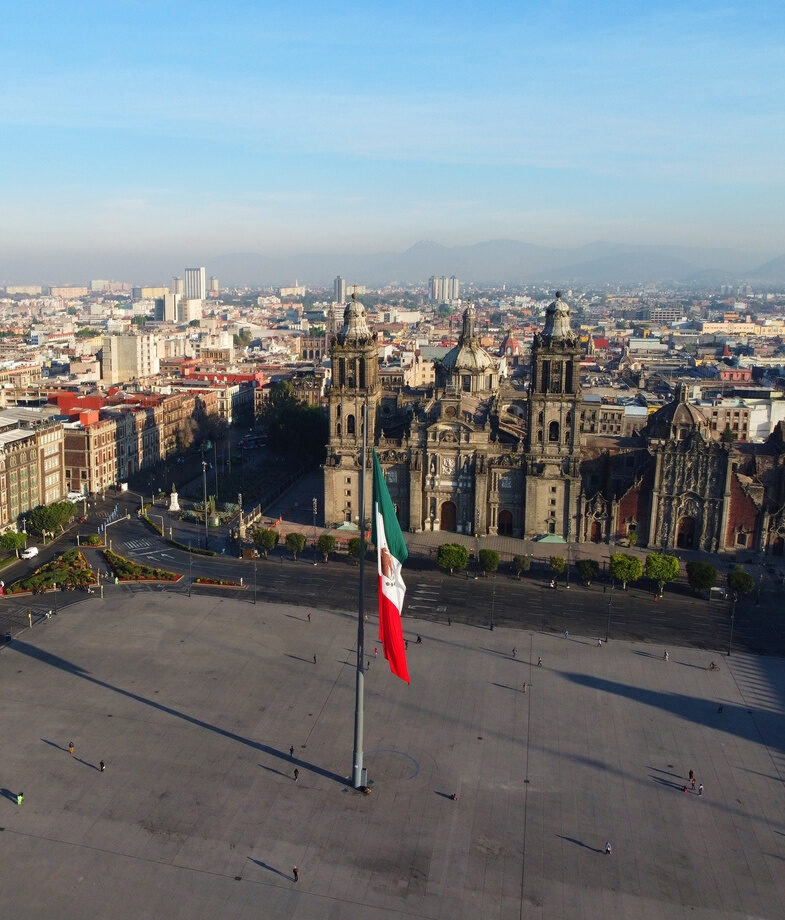
Many of the most important historical landmarks in Mexico are located in its capital, Mexico City. This is where you’ll find the Zócalo: a vast city square surrounded by historic buildings, including the Metropolitan Cathedral and the National Palace.
Officially called Plaza de la Constitución (Constitution Square), this is not only the main square of modern Mexico City but was also the ceremonial centre of Tenochtitlán, the capital of the Aztec Empire until it was colonised in the 16th century.
4. Museo Frida Kahlo, Mexico City
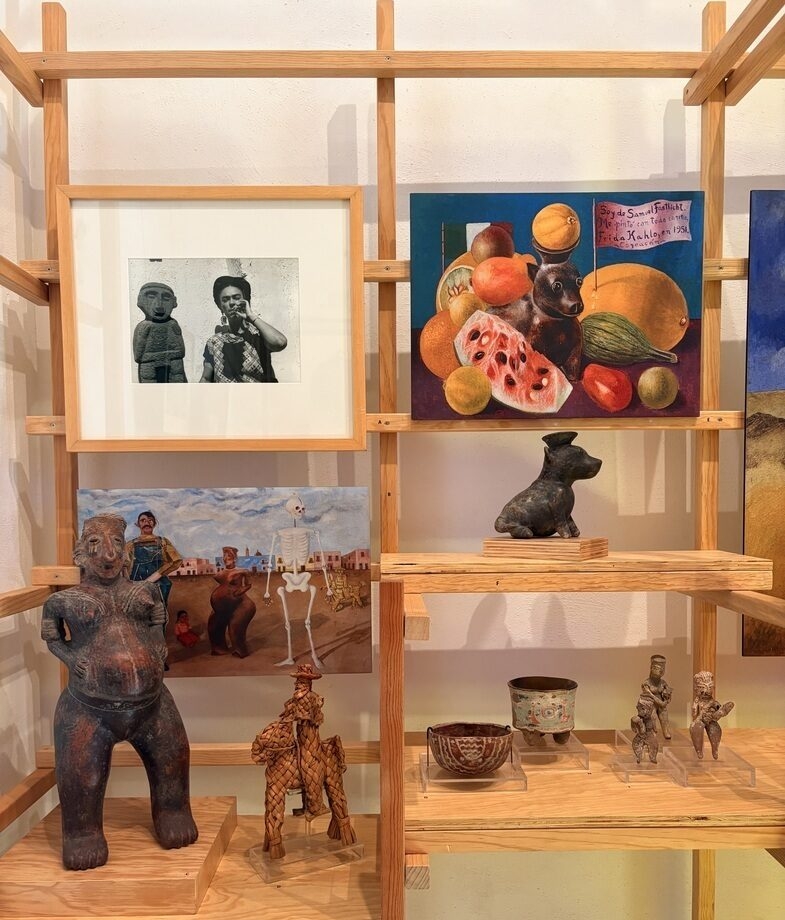
Frida Kahlo was among the most renowned Mexican artists and activists of the 20th century. In Mexico City’s Coyoacán district you can visit her former home, known as La Casa Azul (the Blue House) due to the vibrant hue of its exterior walls.
Today the house has been transformed into the Frida Kahlo Museum, displaying not only her work but also possessions and artefacts from her personal life. We can arrange a private guided visit to the museum, followed by a cultural and culinary tour of Coyoacán.

5. Monte Albán, Oaxaca
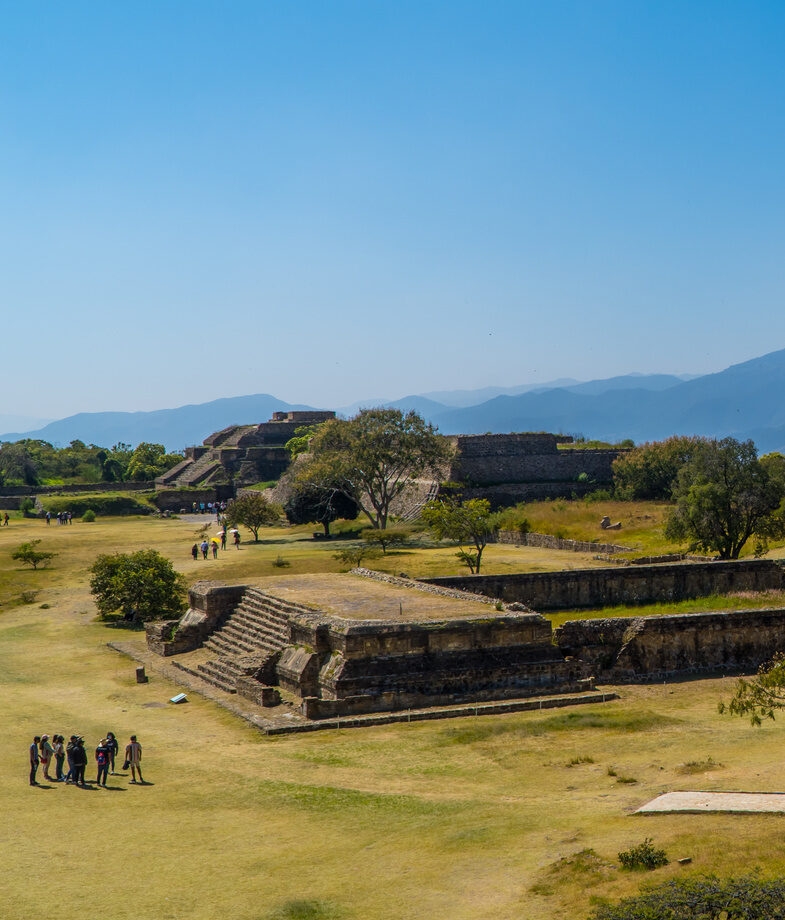
The southern state of Oaxaca is home to Monte Albán: a massive archaeological site that was once the heart of the Zapotec civilisation. Here you can explore various plazas, tombs, terraces and wonderfully well-preserved stone structures, some of which are around 2,500 years old.
Among the most unique and intriguing features of Monte Albán are the danzantes. These carvings depict human figures, which at first glance may appear to be dancers (hence the name) but are actually believed to represent killed or captured enemies.

6. Copper Canyon, Chihuahua
The Copper Canyon is one of Mexico’s most awe-inspiring natural landmarks. Located in the north near the city of Chihuahua (and within the state of the same name), this site encompasses several different canyons that are collectively larger and deeper than the Grand Canyon.
Here you can embark on hikes through the dramatic terrain, cross the canyons via zip line or cable car, soak in the Recohuata natural hot springs and enjoy the views from the scenic Chepe Express railroad.

7. El Tajín, Veracruz
The capital of the Classic Veracruz culture, El Tajín is yet another stunning archaeological site that offers a window into one of Mexico’s ancient civilisations. This enormous pre-Columbian city was at its peak between 600 and 1200 AD and was home to as many as 20,000 people.
El Tajín stands out for its high number of ball courts (at least 17) and the Pyramid of the Niches, which is seven stories tall and has one carved niche for each day of the solar year (365 total).
From our experts
When planning a trip to Mexico, I usually recommend combining historical sites with cultural life. Visiting during a local celebration, adds a special dimension to the journey. You might explore Monte Albán in the morning and then join the city’s parades and markets in the evening. It’s a way to understand traditions more deeply and see how history and everyday life blend together.

8. Palenque, Chiapas
Palenque is an ancient Mayan city that predates both Chichén Itzá and Tulum by several centuries. Known for its intricate architecture and carvings, it’s an essential destination in the state of Chiapas.
Make sure to visit the Temple of the Inscriptions, or House of the Nine Sharpened Spears (in Mayan). This pyramid boasts detailed hieroglyphs that tell the story of the city and its one-time leader, Pakal, who was entombed within it.


Ready to start planning?
Whatever you want from your next Mexico adventure, our travel designers are ready to help.
Mexico and Latin America
Landmarks are just one part of what makes Mexico so fascinating to explore. Timing your journey can shape the whole experience, and so can joining the celebrations that bring cities and communities together. That’s why we’ve also created guides on the best time to visit Mexico and the most meaningful festivals in Latin America.
Our travel experts can help you bring history, culture and local traditions into your trip in a meaningful way.